For the last two decades, most software has been built using a simple model. A company creates an app, stores all the data on its own servers, controls user accounts, and decides how the platform works. This approach helped the internet grow fast, but it also created problems like privacy issues, data misuse, platform control, and lack of transparency.
Now, Web3 is changing this system. Web3 is not just another technology trend. It is a new way of building applications where blockchain and smart contracts help users own digital assets, control identity, and interact without depending fully on one central company.
Today, many startups and enterprises are investing in Web3 because it creates stronger trust, more secure systems, and new business models. That is why the demand for a reliable web3 development company and professional web3 development services is growing rapidly.
In this blog, we will explore how Web3 is reshaping the tech industry, what makes it different, and why modern businesses are moving toward it.
What Is Web3 in Simple Words?
Web3 is the next generation of the internet where users have more control and ownership. In Web2, most apps are centralized, meaning one company controls everything. In Web3, blockchain technology is used to store important records and run smart contracts that automate actions.
Web3 allows people to log in with wallets instead of emails, own digital assets like tokens and NFTs, and participate in decentralized platforms.
A lot of companies now prefer working with a professional web3 development company because building Web3 platforms requires special blockchain knowledge and security skills.
Why Web3 Is Getting So Much Attention in the Tech Industry?
The tech industry is paying attention to Web3 because it solves some of the biggest issues of traditional platforms. People are now more aware of privacy, data ownership, and platform control. They want systems where trust does not depend only on a company.
Web3 introduces transparency through blockchain. It also allows peer-to-peer interaction, which reduces dependency on middlemen.
This is why businesses are investing in web3 development solutions that help them build secure, scalable, and future-ready products.
How Web3 Development Is Reshaping the Tech Industry?
Web3 is creating major changes in how applications are designed, built, and used. Let’s look at the biggest transformations happening in the tech world.
1. Web3 Is Redefining Digital Ownership
In Web2, you can create content, buy digital items, and build profiles, but you still don’t truly own them. Platforms can remove your content, ban accounts, or change policies anytime.
In Web3, ownership is stored on blockchain. If you own an NFT, token, or digital identity in your wallet, it belongs to you.
This is why web3 application development is becoming popular for platforms like:
-
NFT marketplaces
-
Blockchain games
-
Digital membership platforms
-
Creator communities
-
Metaverse platforms
This shift is reshaping industries where digital ownership matters the most.
2. Smart Contracts Are Changing Traditional Backend Systems
In traditional software, the backend controls payments, rules, permissions, and data access. Users must trust the company that manages the backend.
In Web3, smart contracts replace many backend functions. Smart contracts are blockchain programs that automatically execute rules without needing a middleman.
Smart contracts can handle tasks like:
-
Token transfers
-
NFT minting
-
Subscription payments
-
Staking and rewards
-
DAO voting systems
-
Automated business rules
Because smart contracts must be secure, businesses often choose expert web3 development services instead of building without guidance.
3. Web3 Is Transforming Payments and Global Transactions
Payments in Web2 apps depend on banks, payment gateways, and currency conversion systems. These can be slow, expensive, and limited in some regions.
Web3 makes payments faster and more global. Users can send crypto instantly using wallets, even across countries.
Web3-based payments support:
-
Instant peer-to-peer transfers
-
Lower transaction fees in many cases
-
Cross-border payments without banks
-
Micro-payments for creators and gamers
Many businesses use web3 development solutions to integrate crypto payments, token systems, and blockchain-based transactions into their platforms.
4. Web3 Is Changing How Users Log In and Prove Identity
Most apps today rely on email and passwords, which leads to problems like password leaks and fake accounts.
Web3 introduces wallet-based authentication. Instead of entering a password, users connect their wallet and sign a message to prove ownership.
Wallet-based login helps reduce:
-
Password hacking risks
-
Fake accounts
-
Identity fraud
-
Account recovery issues
This is now a major part of web3 application development, especially for DeFi platforms, NFT apps, and blockchain games.
5. Web3 Is Creating New Business Models
Web3 is not just about technology. It also creates new ways for businesses to earn and grow.
Web2 business models usually depend on:
-
Ads
-
Subscriptions
-
Selling user data
-
Platform commissions
Web3 introduces models like:
-
Token-based rewards
-
NFT memberships
-
Community-driven ownership
-
DAO governance
-
Play-to-earn and learn-to-earn systems
These models help companies build stronger communities and increase user loyalty. That is why many startups work with a web3 development company to design sustainable token systems and reward mechanisms.
Web3 Development Across Major Tech Industries
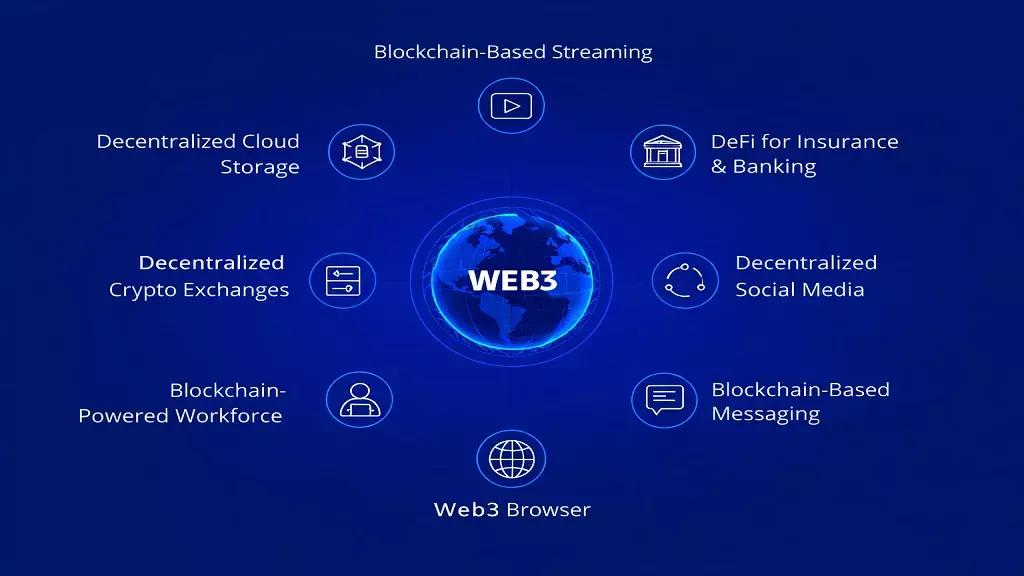
Web3 is not limited to crypto exchanges. It is expanding into many industries, and each one is being reshaped differently.
Web3 in Finance (DeFi)
Web3 is already changing finance through decentralized finance (DeFi). DeFi platforms allow users to trade, lend, borrow, and earn rewards without banks.
Popular DeFi features include:
-
Decentralized token swaps
-
Lending and borrowing
-
Staking and yield farming
-
Stablecoin-based payments
This is one of the biggest reasons why web3 services are in high demand today.
Web3 in Gaming
Gaming is one of the most active Web3 industries. Web3 games allow players to own in-game items as NFTs and trade them freely.
Web3 gaming includes features like:
-
NFT-based characters and skins
-
Token rewards for gameplay
-
Player-owned marketplaces
-
Transparent game economies
Because gaming is complex, businesses require strong web3 application development that combines blockchain with smooth gameplay experience.
Web3 in Social Media
Web3 social media focuses on giving users more control and giving creators better monetization options.
Web3 social platforms aim to offer:
-
User-owned content
-
Creator token monetization
-
Transparent community rules
-
Decentralized identity systems
Many new social startups are using web3 development solutions to build platforms where communities have real power.
Web3 in Healthcare
Healthcare platforms are exploring blockchain for secure and verified record systems.
Web3 healthcare solutions may include:
-
Secure patient data storage
-
Verified medical history
-
Consent-based data sharing
-
Transparent access control
These use cases require highly secure development, so companies often work with a trusted web3 development company.
Web3 in Real Estate and Asset Tokenization
Web3 can tokenize real-world assets, allowing people to invest in small shares of property or other assets.
Tokenization benefits include:
-
Transparent ownership records
-
Easier investment access
-
Faster transactions
-
Reduced paperwork
This is a growing area where web3 development services are being used for long-term innovation.
Why Businesses Prefer a Web3 Development Company?
Web3 is not the same as normal app development. It requires special blockchain expertise, smart contract security, and wallet integration.
A professional web3 service provider can help businesses with:
-
Smart contract development and testing
-
Wallet integration (MetaMask, WalletConnect)
-
Token and NFT standards
-
Blockchain network selection
-
Gas fee optimization
-
Security audits and vulnerability checks
-
Scalable architecture planning
Without expert support, Web3 projects can face serious risks like smart contract hacks or loss of user funds.
That is why businesses choose experienced web3 development services instead of taking shortcuts.
Challenges Web3 Still Needs to Solve
Web3 is powerful, but it still has challenges that the industry is working on.
Some common challenges include:
-
Web3 onboarding can feel confusing for beginners
-
Smart contract security requires expert coding
-
Regulations differ from country to country
-
Some networks still face scalability and gas fee issues
-
Many apps struggle to balance decentralization with speed
This is why modern web3 development solutions focus on building apps that are both secure and easy to use.
How Web3 Is Changing the Role of Developers?
Web3 is changing what software developers need to learn. Traditional developers focus on frontend and backend. Web3 developers must also understand blockchain and smart contracts.
Web3 developers often need skills in:
-
Solidity or Rust programming
-
Smart contract architecture
-
Token standards (ERC-20, ERC-721, ERC-1155)
-
Wallet authentication
-
Blockchain security and audits
-
On-chain and off-chain communication
Because these skills are specialized, companies prefer hiring or outsourcing to teams that provide professional web3 application development.
Web3 Is Reshaping the Tech Industry in a Big Way
Web3 is reshaping the tech industry because it changes how trust, ownership, and online transactions work. It introduces smart contracts, wallet-based identity, token systems, and decentralized platforms that give users more control and transparency.
Web3 is also creating new business models and fresh ways to build communities. It is opening new opportunities for industries like finance, gaming, healthcare, and real estate, where security and ownership matter the most.
However, Web3 success depends on secure development and the right strategy. That is why many businesses prefer working with experienced development teams that can build scalable and safe blockchain-based applications.
Web3 is still evolving, but one thing is clear: it is not just the future of blockchain - it is becoming a major part of the future of software development.