Transportation companies operate in a high-stress environment. Fuel prices fluctuate, customers need accurate updates on delivery, unexpected breakdowns that throw off schedules. These demands can only be managed with spreadsheets and phone calls, however there's plenty of room for delays.
Today's fleet management solutions integrate vehicles, drivers, routes and maintenance records into a seamless system. Managers have a better understanding of what's happening day-to-day, and they will be able to act before minor issues turn into major disappointments.
Turning Vehicle Data Into Practical Decisions
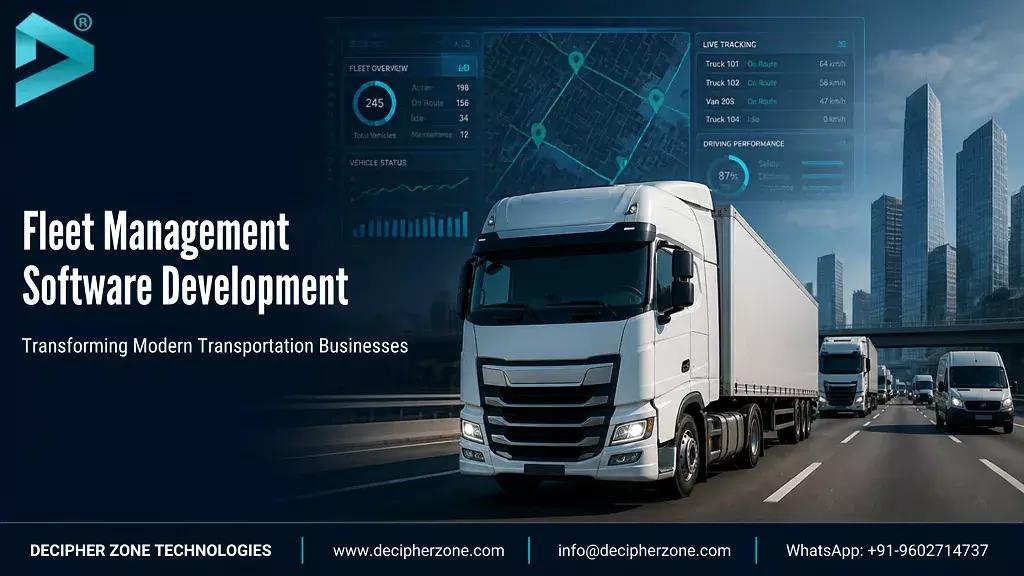
All vehicles produce valuable data, including position data, data on how far they have driven, warning signals from the engine, and idle times. However, raw numbers are not very useful without context. Fleet tracking software collects this information via GPS tracking devices, telematics systems and mobile apps, and then presented in dashboards that teams can actually use.
Trucks that have been delayed can be spotted by dispatchers, delivery patterns can be modified, and customers can be alerted with accurate predictions of delivery times. Operations managers are able to make comparisons of fuel use between similar vehicles instead of assuming. Historical data on the routes also show the traffic congestion, which allows companies to plan traffic around traffic patterns and challenging delivery windows.
Visibility matters beyond the control room. Drivers get new directions without long phone calls and customer service can answer questions about shipment with up-to-date data.
Building Systems Around Real Business Needs
A courier business handling hundreds of short urban trips operates differently from a company moving refrigerated goods across borders. Standard platforms may cover basic tracking, but unusual workflows often require tighter connections between scheduling, billing, and equipment monitoring.
For businesses with these requirements, investing in fleet management software development can connect operational tools with processes that already support daily work. This approach reduces duplicate data entry, improves coordination, and gives teams access to information that fits their responsibilities.
Specialized rules can be incorporated into custom fleet management software. Refrigerated fleets might need temperature alerts and records for compliance checks. Construction companies can record machine hours, assignments to a site, and availability of equipment. Proof of delivery, driver communication, and speedy route changes are often among the top demands delivery providers make.
The best projects begin with questions like this: What decisions do take a long time to make? What happens when employees insert the same information into two places in the system? What are the things that are ignored when things go wrong? Clear answers help developers prioritize features with measurable operational value.
Reducing Costs Without Sacrificing Service
The fleet optimization software may be able to reveal some costs that are not included in monthly reports. The total of a few unnecessary miles per trip, the repeated idling and poorly timed service can add up over dozens of vehicles.
Common opportunities include:
-
Smarter routing. Prior to assigning work, compare stops, road restrictions, vehicle capacity, and delivery deadlines.
-
Lower fuel waste. Identify and warn about excessive idling and driving practices that lead to higher consumption.
-
Better vehicle use. Correlate loads and trucks, and minimize empty return trips.
-
Planned maintenance. Plan inspections based on mileage, engine hours and operating conditions.
-
Faster administration. Automate mileage logs, service records and basic reporting.
Reliable inputs are required for these improvements. If the location is reported incorrectly or if the vehicle's information is incomplete it can generate inaccurate recommendations. The companies, then, must have clear data standards, frequent inspections, and employees who know what's being measured on the dashboards.
Connecting Dispatch, Warehouses, and Customers
Transportation rarely operates in isolation. With teams in the warehouse preparing loads, drivers making deliveries and dispatchers assigning vehicles, the finance team issues the invoice. If each group is using different tools, the changes may be at the wrong person's time.
Integrating transportation management software with warehouse systems and customer platforms creates a more consistent workflow. When an order is ready, a warehouse can notify the dispatch. A vehicle is allocated by the dispatcher and the driver gets the stop information via a mobile app. After delivery, order can be updated in status and billing can be automatically triggered.
These links also help with improved communication for customers. Rather than promising a specific arrival time as per yesterday's plan, team members can provide updated estimates if traffic delays or loading delays alter the plan. The accurate updates foster trust, particularly when businesses in time-sensitive fields are concerned.
Choosing Technology That Can Grow
Software ought to resolve today's issues, while not restricting a business for the future. Companies must consider integration capabilities, data ownership, security measures, and support in their selection of fleet tracking software and building a custom platform.
A pilot of a smaller vehicle group can be used to uncover missing features and data issues prior to the larger rollout. Training is as important as technical design. The dispatchers, drivers and mechanics must have easy-to-use interfaces and a motivation for using them.
Conclusion
Fleet management software development changes transportation most when it supports everyday decisions. Connected data helps managers reduce waste, maintain vehicles, coordinate deliveries, and communicate with customers.
Whether a business adopts established transportation management software or builds tailored tools, lasting results come from choosing useful features, testing them carefully, and improving processes alongside the technology.