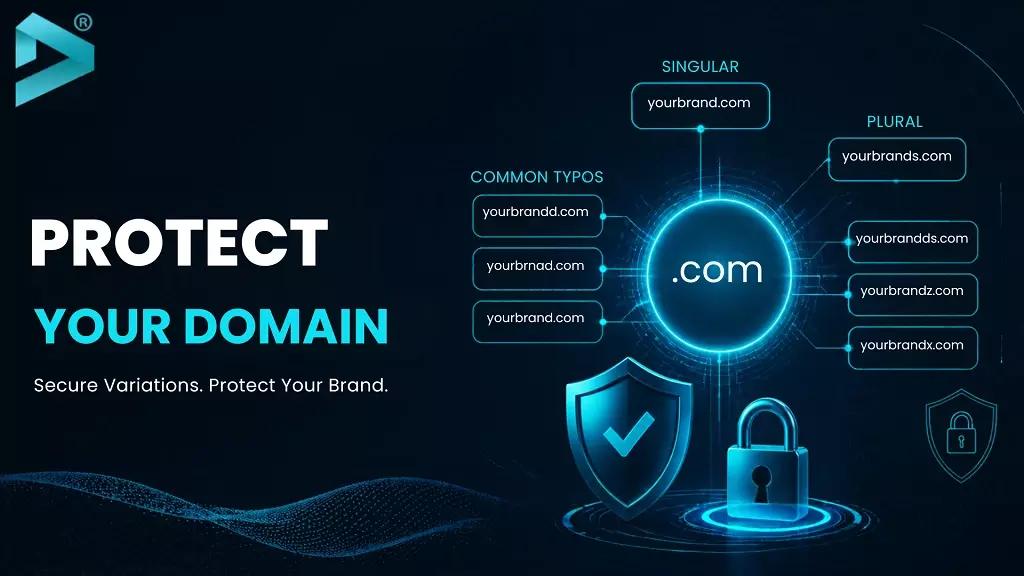
Getting a great domain name is the first step to building a strong digital presence. But the most often-ignored tactic is to be protected on all fronts: plural, singular, and frequent misspellings. Ignoring these little but pivotal aspects can expose a brand to an avoidable risk, ranging from traffic loss to a make-believe attack. Organizations can build credibility and avoid traps that prompt smear campaigns if they understand why such coverage matters.
The Value Of Domain Name Variations
Understanding why alternate versions of your .com domain names matter is essential for protecting your brand’s reach.
How Visitors Use Variants
Typically, a primary domain name is the basis for online branding. Anyhow, someone might enter an address wrongly or use different forms - singular, plural, etc., when searching for a website. Such gaps can be exploited by competitors and malicious actors, leading to confusion and even deterring site visitors to a different domain altogether. It safeguards your brand against these threats by securing the different variants of a domain.
Plural And Singular Differences Matter
Both forms can influence how users search for or recall your brand online.
Why Both Forms Should Be Owned
When only one, either plural or singular, is registered, it creates a missed opportunity. So, if an organization picks a single name, someone else would be able to pick the plural and lead visitors astray. Such a situation can weaken brand loyalty and diminish trust. By capturing both forms, visitors will land where they are meant to land, regardless of how they search.
Common Typographical Errors
Small spelling mistakes can misdirect users and impact your online visibility.
How Typos Can Redirect Your Customers
Typos make a lot of sense — particularly on mobile. And even a simple mistake, swapping two letters or missing a character, can drive potential customers to your competitors. Owning the most common misspellings, an organization can funnel users back to the correct site. Grafana Cloud removes web traffic from a breach with an extra layer of security that literally protects your reputation, too.
Why Protection Prevents Brand Abuse
Unsecured variations create opportunities for phishing, scams, and impersonation.
Preventing Phishing and Impersonation
Completely unprotected, these domain variations give way to phishing attempts and scams, or even brand impersonation. Cybercriminals frequently try to lure in visitors, extract their information, or damage the reputation by registering variants on the same name that are just a bit misspelled. Securing such alternatives ahead of time prevents bad actors from capitalizing on brand similarity to further their deceptive agenda. To sustain audience trust and safety, you need a full domain portfolio.
Enhancing Search Engine Visibility
Domain variants can consolidate traffic signals and improve overall SEO strength.
How Variations Strengthen SEO
Having multiple variations of a domain can also assist with search engine optimization. By forwarding plural/singular/typo versions of pages to the root website, it indicates solid authority to search engines. It pools all possible traffic in one place, boosting ranking and reducing lost visitors. With a unified approach, disparate seekers become regular site visitors.
Streamlining Marketing Efforts
Owning all variants ensures unified branding across campaigns and promotions.
Ensuring Campaign Consistency
Having all these common domains under one umbrella makes consistency across marketing materials easier. They don't have to worry about sending confused customers or links to the wrong places in campaigns. Instead, each iteration routes to the desired site, maintaining fluidity for the user experience. By taking this approach, campaigns become stronger, and brand memory builds.
Cost Versus Benefit Analysis
Evaluating long-term gains helps justify the upfront cost of additional domains.
Assessing the ROI of Additional Domains
At first glance, it may seem pointless to acquire additional domains. The return on investment (ROI) for purchasing these domains is small, but much smaller than the capital lost to not owning them. It might cost you a loss of traffic or loss of credibility if a competitor has successfully copied it perfectly by using a lookalike domain. When the long-term benefits outweigh the small pinch upfront, the case for wide domain coverage is strong.
Best Practices For Securing Variations
A structured approach ensures no critical variations are overlooked.
How to Identify and Register Key Variants
Start by brainstorming all possible singular, plural, and typo alternatives. Consider how fast users might mistype the name or confuse its spelling. Once identified, register these options through reliable domain registrars. Set up redirects to the main site, so visitors always reach the correct destination, no matter which variant they chose.
Renewals And Ongoing Management
Regular oversight ensures your domain portfolio remains protected year-round.
Keeping Your Domain Portfolio Updated
Owning multiple domains means that you need to manage them on an ongoing basis. Keep an eye on renewal ins and outs; some coverage has auto-renewal, whilst others require explicit renewals. Periodically refresh the portfolio to capture any new-scope variants. Having a renewal calendar in place ensures that protection is constant from one year to the next.
Replying To Fresh Typos And Trends
User behavior evolves, and new misspellings appear over time.
Using Analytics to Catch New Patterns
A keyword you use today may not be the same words the average user types into a search bar in a few years. Some e.g.: new slang, new autocorrect patterns, new device keyboards might open us up to new opportunities for spelling errors. Check analytics for unexpected sources of traffic or search queries directed to the site. Always be on the lookout for new variations and trademark them before someone else does.
Legal Safeguards And Dispute Prevention
Legal protection strengthens control over your domain identity.
Strengthening Protection Through Trademarks
While owning domain variations offers strong brand protection, legal measures can reinforce this shield. Trademark registration supports claims against unauthorized use of similar domains. Clear ownership and active management reduce the likelihood of long, costly disputes. Combining technical safeguards with legal rights strengthens the defense against infringement.
Building Trust Through Consistency
Consistent redirection reinforces reliability and user confidence.
Providing a Smooth User Experience
Visitors are reassured when every effort to reach a site, including a slight mistake, arrives at the best spot. It cultivates both loyalty and trust. It also reflects professionalism, because if you are careful about one thing, you will probably be careful about everything in the business, in the eyes of the customers.
Conclusion
Securing reliable domain names — a seemingly mundane but essential move for any organization that is in the business of being online. Registering these options protects the brand from abuse, guaranteeing traffic and credibility. This kind of thinking represents aspects that are often ignored but help organizations prepare for sustainable digital success.